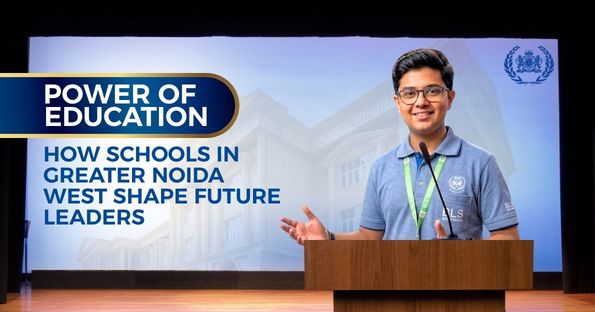
Every child has unique abilities, dreams, and the potential to create a meaningful future. However, turning this potential into knowledge, confidence, and success requires the right learning environment. This is where the Power of Education plays an essential role. Education influences how children think, communicate, solve problems, and understand the world around them. Parents seeking the Best Education in Greater Noida West often look for schools that nurture both academic achievement and personal development.
Modern education is not simply about achieving good marks or completing a syllabus. It focuses on preparing students to face real-life challenges with confidence and responsibility. By encouraging creativity, critical thinking, teamwork, and independent decision-making, schools can help young learners develop the qualities required to become capable Future Leaders.
Today, educational institutions are adopting innovative teaching practices, digital learning tools, and practical activities to make learning more meaningful. The growing focus on Academic Excellence, Skill Development in School, and Child Overall Growth is changing the way students learn and prepare for their future, making the Best Education in Greater Noida West a strong foundation for lifelong success.
Why Education Is Important for Developing Leadership
Leadership is developed through experience, guidance, and continuous learning. Students become confident leaders when they are encouraged to share ideas, accept responsibilities, work with others, and make thoughtful decisions.
The Power of Education provides children with opportunities to explore their strengths and understand their responsibilities. Classroom discussions, group activities, student councils, school events, and collaborative projects allow learners to improve communication and teamwork.
Schools also play an important role in developing Leadership skills in students by creating an environment where children feel comfortable expressing their opinions. When students are trusted with responsibilities, they gradually learn accountability, discipline, and problem-solving.
These experiences help children understand that leadership is not only about guiding others. It also involves listening, respecting different perspectives, making responsible choices, and contributing positively to a team.
The Importance of Education Beyond Academic Results
The importance of education goes far beyond examination scores and report cards. While academic knowledge is essential, children also need emotional, social, and practical skills to succeed in life.
Quality education helps students understand how to think rather than simply teaching them what to think. It encourages curiosity and motivates children to ask questions, explore new ideas, and find solutions independently.
Schools that focus on holistic learning help students develop emotional intelligence, social awareness, ethical values, and responsible behaviour. These qualities influence how children manage challenges, build relationships, and make decisions throughout their lives.
A balanced educational approach combines Academic excellence with character development. This allows students to become knowledgeable individuals who are also confident, responsible, and respectful members of society.
Benefits of Quality Education for a Successful Future
The Benefits of quality education can be seen throughout a child’s academic, personal, and professional journey. A strong learning foundation develops essential abilities that help students adjust to changing situations and future opportunities.
Quality education improves communication, creativity, critical thinking, and decision-making. Students learn to analyse information, express ideas clearly, and approach challenges with a solution-oriented mindset.
Another important benefit is the development of confidence. When students participate in classroom discussions, presentations, competitions, and practical projects, they become more comfortable sharing their thoughts and abilities.
Education also promotes lifelong learning. Students who develop curiosity during their school years are more likely to continue improving their knowledge and skills in the future.
The Power of Education therefore creates a foundation for higher education, professional development, responsible decision-making, and meaningful participation in society.
Modern Education and the Changing Learning Environment
The education system is changing rapidly with the introduction of new teaching methods and technology. Traditional classroom instruction is increasingly being supported by interactive and digital learning experiences.
Smart Classrooms use digital boards, multimedia presentations, videos, and visual learning resources to make complex topics easier to understand. These technologies can improve student engagement and create a more interactive learning environment.
The use of Artificial intelligence in education is also creating new opportunities for personalised learning. Digital learning platforms can help identify student strengths and areas that require additional attention.
AI-enabled classrooms may support teachers in understanding student learning patterns and providing more focused guidance. Technology can also simplify progress tracking and routine academic tasks, allowing educators to spend more time mentoring students.
However, technology works best when combined with experienced teachers and meaningful human interaction. The purpose of educational technology should be to support teachers and improve the overall learning experience.
Skill Development in School for Real-World Readiness
The future will require students to possess more than theoretical knowledge. Communication, collaboration, digital literacy, creativity, adaptability, and problem-solving are becoming increasingly important.
This makes Skill development in school an essential part of modern education. Practical activities, project-based learning, group assignments, debates, public speaking, and technology-based projects help students develop useful abilities.
Through teamwork, children learn how to listen to different opinions and work towards common goals. Presentations improve communication skills, while creative activities encourage imagination and innovation.
Practical learning also helps students connect classroom concepts with real-life situations. Instead of simply memorising information, students understand how knowledge can be applied to solve problems.
These experiences prepare young learners for higher education and the evolving professional world.
Supporting a Child’s Overall Growth
A Child overall growth includes academic progress, physical fitness, emotional development, social skills, creativity, and moral values. Schools need to create opportunities that support all these areas.
Sports and physical activities develop fitness, discipline, and teamwork. Art and music encourage creativity and self-expression. Debates and public speaking activities build confidence and communication skills.
Community initiatives can also help children understand empathy and social responsibility. By participating in meaningful activities, students learn the importance of contributing to their communities.
A balanced school environment allows children to discover their interests and talents. Some students may perform strongly in academics, while others may show exceptional abilities in sports, art, technology, or leadership.
Recognising these individual strengths is an important part of quality education.
Building Leadership Skills Through Practical Opportunities
Developing Leadership skills in students requires practical experience. Schools can create leadership opportunities through student councils, house systems, team projects, peer mentoring, sports, and event responsibilities.
When students lead a project or participate in organising an activity, they learn planning, communication, and time management. They also understand how to manage challenges and work with different personalities.
Failures and mistakes can become valuable learning experiences. Students who are encouraged to reflect and improve develop resilience and adaptability.
Through these opportunities, children gradually become confident decision-makers who are prepared to accept responsibility.
Preparing Students for Future Careers
The professional world is evolving because of technology, automation, and changing industries. Future careers may require students to continuously learn new skills and adapt to different working environments.
Modern education prepares students by combining academic knowledge with practical learning. Exposure to digital tools, technology projects, and Artificial intelligence in education can improve digital awareness.
At the same time, communication, creativity, teamwork, and leadership remain essential human skills.
Schools that combine Academic excellence with Skill development in school can help students become better prepared for future opportunities. This balanced approach allows learners to develop the confidence and abilities required to navigate a rapidly changing world.
Frequently Asked Questions
What is the Power of Education in a child’s life?
The Power of Education lies in its ability to develop knowledge, confidence, critical thinking, values, and important life skills. It prepares children to make responsible decisions and explore future opportunities.
How does education help create Future Leaders?
Education develops communication, teamwork, decision-making, empathy, and responsibility. Practical leadership activities help students gain confidence and understand how to guide and support others.
Why is Skill development in school important?
Skill development in school helps children improve communication, creativity, collaboration, problem-solving, and digital literacy. These abilities prepare students for academic and future professional challenges.
What are the main Benefits of quality education?
The Benefits of quality education include stronger academic knowledge, confidence, critical thinking, communication skills, leadership abilities, social awareness, and better preparation for future opportunities.
How can schools develop Leadership skills in students?
Schools can provide leadership opportunities through student councils, sports, team projects, debates, public speaking, peer mentoring, community activities, and school event responsibilities.
Conclusion
The Power of Education has the ability to transform young minds and prepare children for a successful and responsible future. Education is no longer limited to textbooks and examinations. It is about developing knowledge, confidence, creativity, values, and essential life skills.
Through Academic excellence, Skill development in school, technology-supported learning, and opportunities for Child overall growth, modern schools can create meaningful learning experiences. Smart Classrooms and AI-enabled classrooms can further support interactive and personalised education when combined with effective teacher guidance.
By developing critical thinking, communication, adaptability, and leadership skills in students, education prepares young learners to become responsible future leaders. Investing in quality learning today can empower children to build successful careers, contribute positively to society, and confidently face the opportunities of tomorrow.